October 19, 2024
We can’t always predict when a storm will hit or when a power outage will occur. But while we can’t control the weather or unexpected outages, we can choose how we prepare. One smart move is to have a generator ready to kick in when the power goes off. The big question most homeowners ask, though, is: “How big of a generator do I need for my house?”
In this blog, we’ll help you choose the right size generator so that you can continue to keep the lights on, no matter what.
Why Choose a Standby Generator?
If you’ve dealt with power outages, you know how disruptive they can be. Losing electricity for even a few hours can turn your household upside down. Everything from your refrigerator to your HVAC system comes to a halt, and in extreme weather, being without power can lead to serious safety risks.
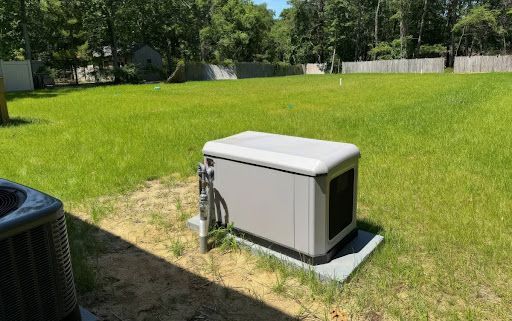
A home standby generator solves these issues by providing automatic backup power during an outage. Unlike portable generators, which require manual setup, need fuel refills, and can only power a few essentials, a standby generator powers your entire home — automatically. These generators connect to your home’s natural gas or propane line, so they can run for as long as needed without you having to worry about refueling.
How Big of a Generator Do I Need?
When deciding how big of a generator you need, it’s important to consider how much power your home consumes during a typical day. Do you just want to keep the lights on, or are you looking to power everything from your refrigerator to your air conditioning?
Here are some common household appliances and their wattage to give you an idea of how much power you might need:
- Refrigerator : 600-800 watts
- Central Air Conditioner : 2000-4000 watts
- Water Heater : 4000 watts
- Microwave : 1000 watts
- Lighting (per bulb) : 60-100 watts
- Space Heater : 1500 watts
Once you’ve identified the appliances you want to power during an outage, you can start adding up their total wattage. A standby generator should be able to handle the combined wattage of all the devices you want to use at once. To play it safe, it’s a good idea to choose a generator that provides a little more power than what you calculate — this way, you won’t risk overloading the system if everything kicks on at the same time.
Choosing the Right Size Standby Generator for Your Home
Standby generators come in a range of sizes, usually measured in kilowatts (kW), which determine how much power they can deliver. Here’s a general breakdown of generator sizes based on your home’s power needs:
Small Homes or Essential Loads (7,000-12,000 watts)
So, how big of a generator do you need if you live in a smaller home? For those only needing to power essentials like the refrigerator, lights, and a few outlets, a generator in the 7kW to 12kW range will usually suffice. These smaller standby generators are perfect for covering your basic power needs.
Mid-Sized Homes (12,000-20,000 watts)
For most average-sized homes, a generator in the 12kW to 20kW range will allow you to power more appliances, including larger items like your HVAC system, water heater, and major kitchen appliances. If you have a central air conditioning system or a water heater, you’ll want to lean toward the higher end of this range.
Larger Homes or Entire Home Power (20,000+ watts)
If you’re aiming to power your entire home, how big of a generator do you need? For larger homes or those that want to power everything during an outage — including air conditioning, heating, water heaters, and more — you’ll need a whole-house generator that can handle 20kW or more. These larger generators are designed to keep your entire home running smoothly, even during extended outages.
Questions for Choosing the Right Size Generator
The right size generator depends on your specific power needs, how many watts you’ll need, and whether you want to power a few essentials or your entire home. Here are a few questions to consider when choosing the right size generator:
- How much power do I need? Make a list of the appliances and devices you want to power during an outage and add up their running watts.
- Do I want to power my entire home? If you want to run your air conditioner, water heaters, and other big appliances, a whole-house generator is probably the best choice.
- What’s my budget? Portable generators are more affordable, but they can only handle limited appliances. A standby generator is a bigger investment but provides more power and convenience.
- How often do I experience outages? If your area has frequent or extended outages, it might be worth investing in a larger generator.
- What fuel type is best for me? Generators come in different fuel types — natural gas, propane, or gasoline — so consider what’s most convenient for you.
Additional Considerations for Standby Generators
When choosing a standby generator, it’s important to consider a few other factors:
Transfer Switch
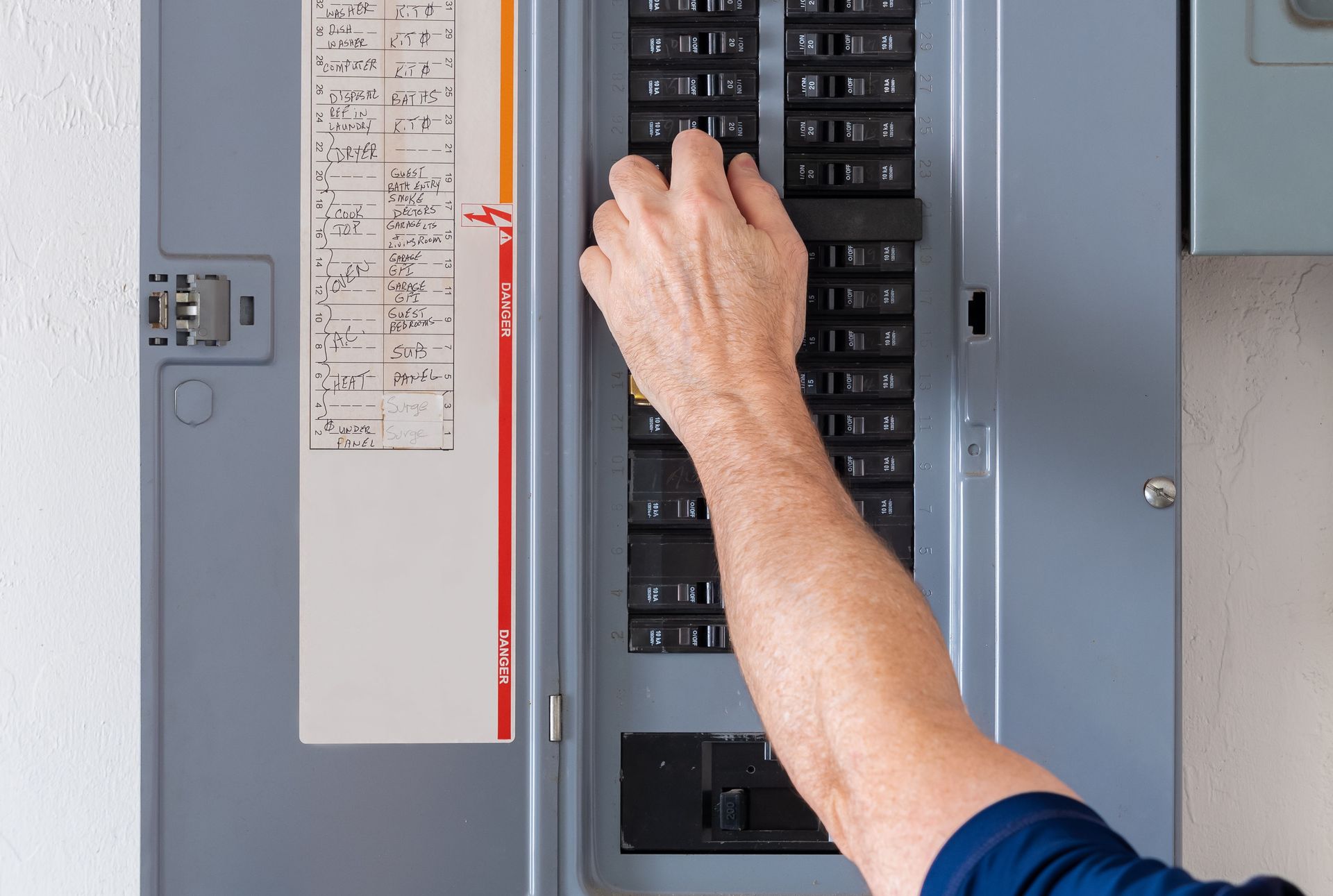
You’ll need a transfer switch to connect your generator to your home’s electrical system. This device guarantees that power is safely transferred from the generator to your home and prevents dangerous backfeeding that could harm utility workers or damage your electrical panel.
Fuel Type
Most standby generators run on natural gas or propane. If you already have a natural gas line, it’s often the easiest option, as you won’t have to worry about running out of fuel. Propane is another excellent choice, especially if natural gas isn’t available in your area.
Maintenance
Standby generators require regular maintenance to keep them running smoothly. Make sure to schedule routine service checks and keep an eye on the unit’s oil levels, air filters, and other components.
Ready to Power Your Home With a Standby Generator?
A standby generator is an investment in your home’s safety and comfort. Whether you’re preparing for frequent power outages or just want peace of mind during storms, choosing the right size standby generator is important for your family’s comfort and safety.
At Grasser Home Services, we specialize in Kohler generator installation in St. Charles County , and can help you choose the right size generator for your home. Remember, consulting with an electrician is a good way to figure out exactly what generator size you need, as well as any additional equipment like a transfer switch or circuit breaker panel upgrades.
Contact us today to schedule your residential electrical services in St. Louis , St. Peters, or one of the surrounding areas in St. Charles County!
The post How Big of a Generator Do I Need for My House? appeared first on Grasser Home Services.