October 28, 2026
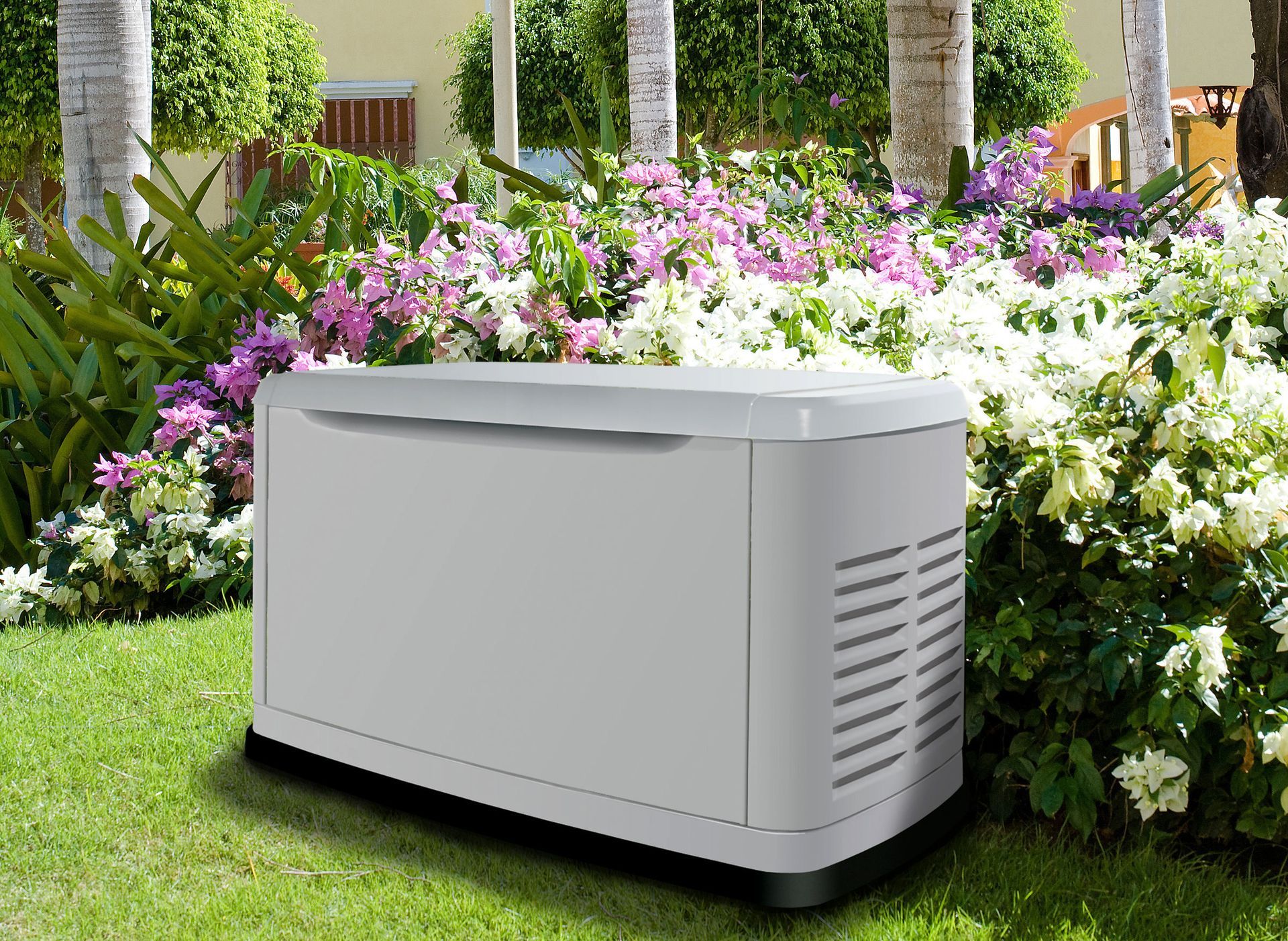
Having a reliable power supply is important for keeping a property comfortable, safe, and functional during an unexpected outage. A backup generator can help maintain access to essential electrical systems when the regular power supply is interrupted. However, installing one involves careful planning, electrical work, and safety checks to support reliable operation over time. Understanding the process can help property owners know what to expect and prepare for each stage. This article explains how a generator installer evaluates a property, plans the installation, completes the necessary work, and checks the system before it is ready for regular use.
Understanding the Initial Assessment
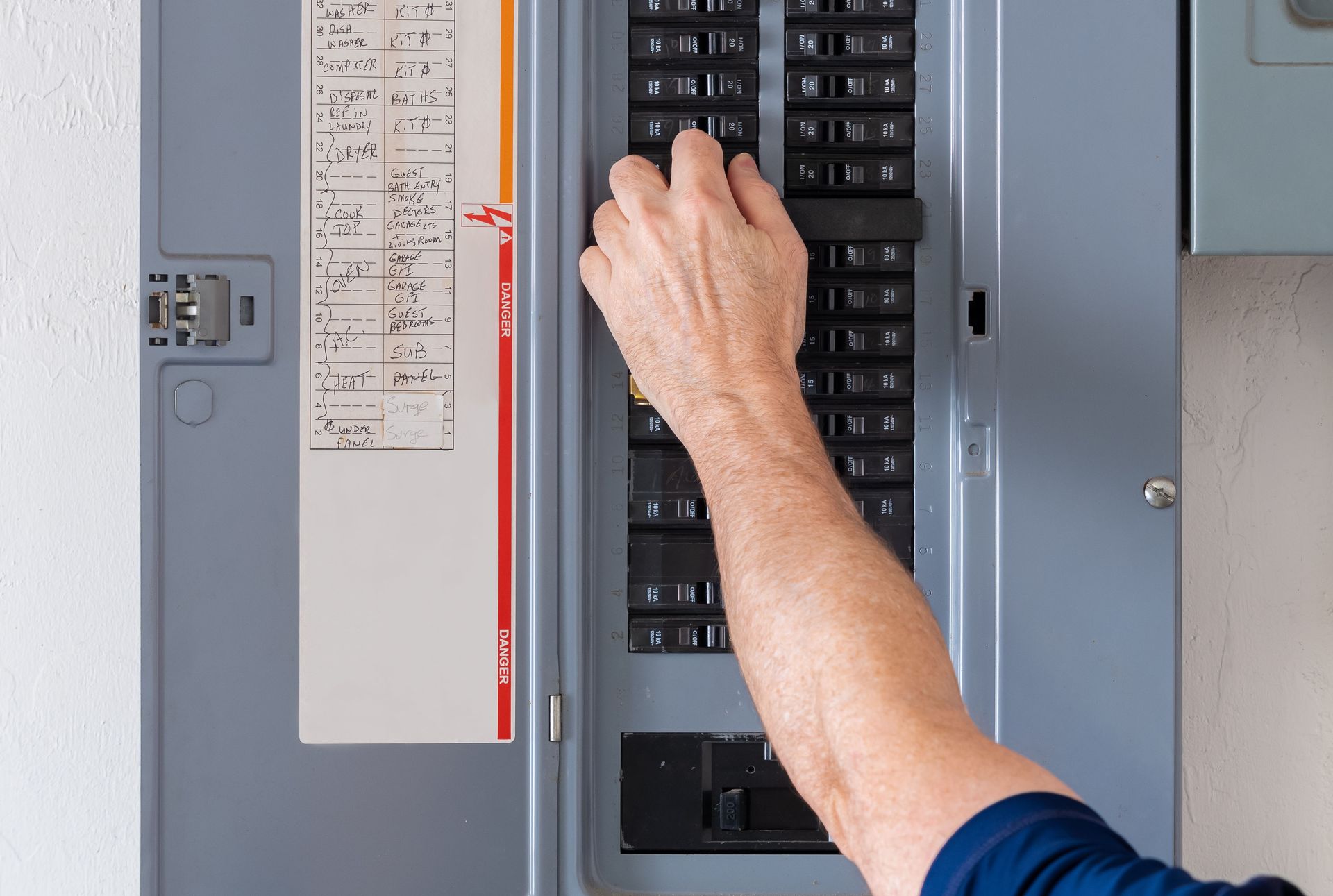
The first step in a generator installation project is an assessment of the property and its electrical needs. Before recommending an installation approach, an electrical professional reviews the existing setup and considers how backup power will be used. This early stage helps identify important requirements and potential challenges that could affect the project. The assessment may include reviewing the electrical panel, available space, existing wiring, and the equipment that needs backup power. The property's layout and current electrical capacity can also influence the installation plan. These details help determine what changes may be needed to support the new system.
Communication is an important part of this stage. Property owners should have an opportunity to explain their concerns, describe which areas need power during an outage, and ask questions about the process. The electrical professional can use this information to develop a plan that fits the property's needs and explains what the project will involve. An initial assessment also helps establish realistic expectations for the timeline and cost. If the property requires electrical updates or other preparation, those needs can be discussed before work begins. Addressing these details early helps reduce confusion and allows the project to move forward with a clearer plan.
Planning the Installation Process
After the initial assessment, the next step involves planning the installation. A generator installer considers the property's electrical requirements, the intended use of backup power, and the conditions that may affect the work. Proper planning helps coordinate the different parts of the project and reduces the likelihood of unexpected problems. The installation plan may account for equipment placement, electrical connections, access requirements, and applicable building codes. The location must allow the equipment to operate safely while providing enough room for maintenance and inspections. Electrical connections also need to be planned carefully to support the intended operation of the backup system.
Permits and inspections may be required, depending on the location and the type of installation. Local codes help establish requirements for electrical safety, equipment placement, and other parts of the project. A qualified electrical professional can explain which requirements apply and coordinate the work needed to meet them. The planning stage is also a good time to discuss scheduling and communication. Property owners should understand when the work is expected to begin, how long it may take, and whether any interruptions to normal electrical service are likely. Having these details explained in advance makes it easier to prepare for the installation.
Completing the Electrical Work
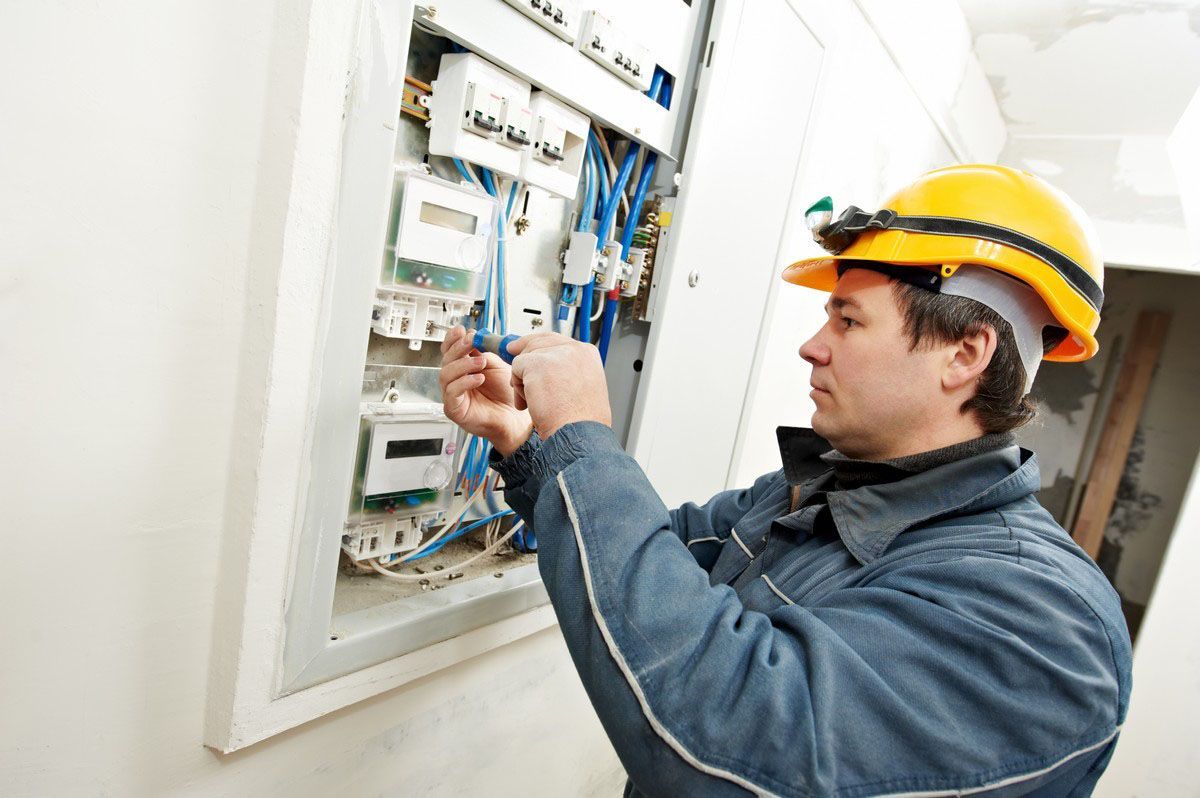
Once planning and preparation are complete, the installation team can begin the main work. The process depends on the property, equipment, and existing electrical system. A generator installer connects the backup system to the property's power supply and sets up the components that control power transfer during an outage. All work must follow applicable codes and safety requirements. According to Electrical Technology, commercial electricians work with high-voltage systems that can produce over 600 volts. This highlights the importance of proper training and safety procedures. Seeking professional help supports safe electrical connections and proper system operation.
The installation process may also involve coordinating different tasks, such as equipment placement, wiring, and related electrical updates. These steps need to work together so the completed system functions as intended. If unexpected conditions arise, the electrical professional can explain the issue and discuss any changes needed to complete the project. During this stage, the work area may be temporarily restricted, and access to certain electrical systems may be limited. Power interruptions can also occur while connections are being completed or tested. Understanding these possibilities beforehand helps property owners plan around the work and know what to expect as the project progresses.
Testing the Completed System
Completing the physical installation is only one part of the process. Before the system is ready for regular use, it must be checked to confirm that its components and connections operate correctly. Testing can help identify problems that need attention before the equipment is relied on during a power outage. The electrical professional may review the connections, inspect the installation, and check how the system responds to changes in the electrical supply. These checks help confirm that the backup power arrangement operates according to the installation plan. Any issues found during testing should be addressed before the project is considered complete.
The testing process may also involve checking the equipment's controls and reviewing how power is transferred when the normal supply becomes unavailable. The specific procedures depend on the system and the applicable requirements. Following the correct testing steps helps identify potential operating issues and supports safer use over time. Inspections may form part of this stage when required by local regulations. An inspection provides another opportunity to review whether the installation meets the applicable standards. Property owners should ask about any required approvals and whether additional steps must be completed before the system can be used.
Learning About Operation and Maintenance
After installation and testing, property owners should receive information about operating the system. Understanding the basic controls, indicators, and operating requirements can make it easier to recognize when the equipment needs attention. Clear instructions also help prevent confusion if a power outage occurs unexpectedly. The electrical professional should explain the system's basic operation and identify any maintenance requirements that apply. Depending on the equipment, maintenance may include scheduled inspections, testing, and checks of important components. Following the recommended service schedule can help identify wear or developing issues before they interfere with operation.
It is also useful to understand the signs that may indicate a problem. Warning indicators, unusual sounds, or failure to operate as expected may point to an issue that needs professional attention. Seeking professional help when concerns arise can prevent a small problem from becoming a larger repair. Property owners should also know who to contact if the system stops working or requires service. Keeping installation information and maintenance records available can help a qualified electrical professional understand the system's history. This information can be useful when diagnosing problems or planning future service.
Selecting a qualified electrical contractor is an important part of the installation process. Look for a professional with electrical experience, knowledge of local requirements, and clear communication. Ask about licensing, insurance, timelines, inspections, and any factors that could affect the final cost. Throughout the project, the electrical professional should explain important decisions, address unexpected issues, and provide operating and maintenance information. Working with a qualified generator installer helps property owners understand each stage, from the initial assessment to final testing. For help with planning a backup power installation, contact Grasser Electric & Home Services to discuss your property's electrical needs with a qualified generator installer.