October 29, 2026
Modern residential properties rely on an extensive network of electrical pathways to power everyday appliances, lighting fixtures, and vital heating or cooling systems. When wall switches respond instantly and outlets function without hesitation, occupants often overlook the intricate infrastructure working behind walls and ceilings. Electrical current travels continuously through main service panels, circuit breakers, junction boxes, and insulated conductors to keep households running smoothly. Over time, continuous electrical demand, natural aging, and environmental conditions can gradually degrade these sensitive assemblies. Postponing necessary electrical repair compromises household safety and leaves properties vulnerable to unexpected system breakdowns that disrupt normal daily living.
A minor operational problem inside an electrical service panel or an intermittent connection at a receptacle rarely resolves on its own. Small defects generally escalate as ongoing power consumption places sustained thermal stress on weakened components. Homeowners who overlook early indicators of trouble frequently face extensive property complications that require comprehensive intervention. Prompt attention to emerging electrical flaws preserves the integrity of internal distribution wiring, protects sensitive home appliances, and maintains steady illumination throughout every living space. Recognizing the dangers of delay represents the initial step toward sustaining a reliable living environment.
Inspect Circuits and Panels
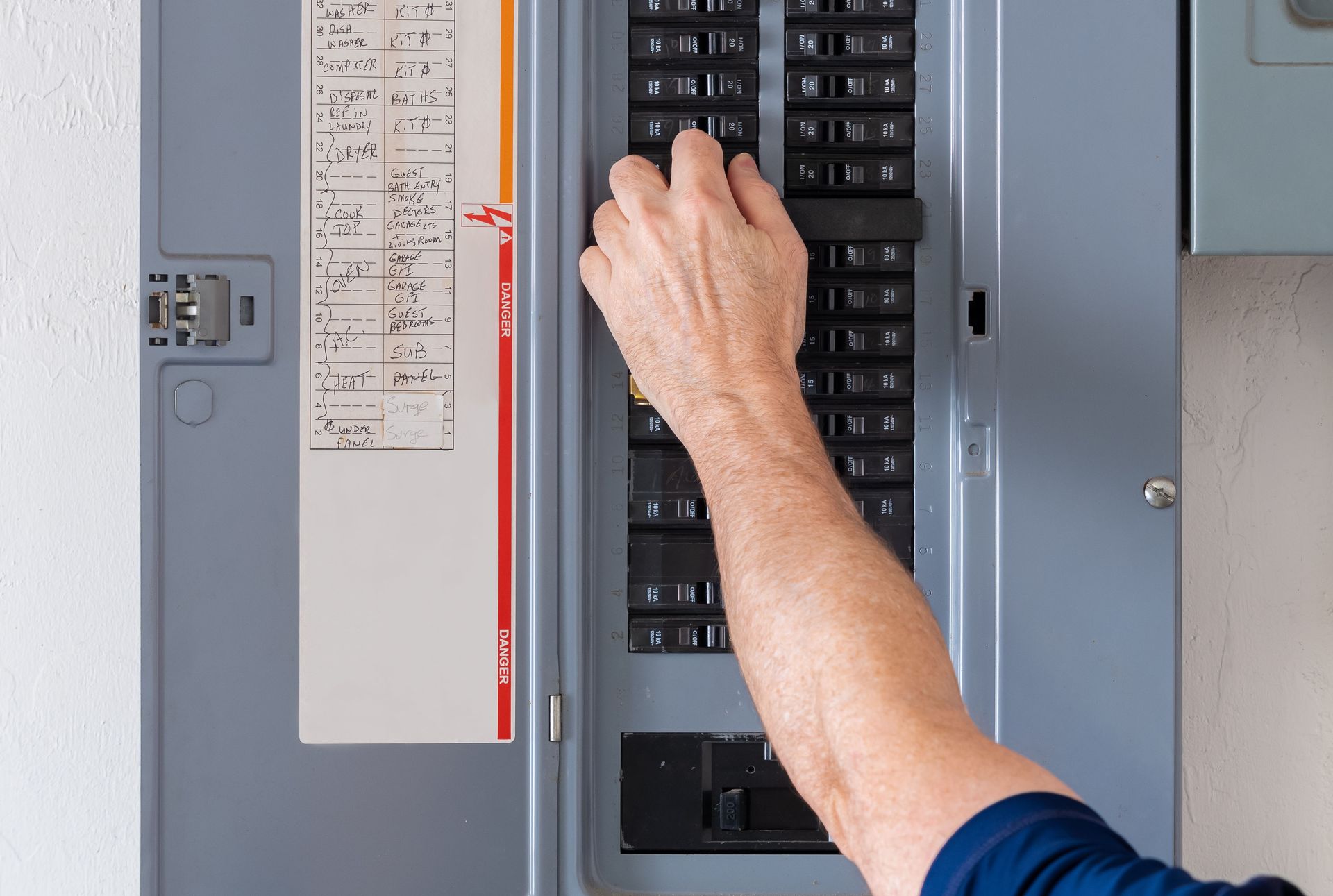
Every residential property functions through an intricate, interconnected electrical system designed to distribute power safely from the utility connection to individual rooms. Central service panels house breakers that regulate the volume of current entering branch circuits, stopping the flow if dangerous overloads develop. Copper and aluminum wiring networks navigate behind drywall, delivering power to interior lighting, ceiling fans, major machinery, and wall receptacles. Because each component depends on the integrity of neighboring connections, a localized failure inside an individual junction can disrupt performance across multiple living areas.
When deterioration occurs within a breaker box or distribution branch, elevated resistance generates unwanted heat along the wire pathways. Modern households place tremendous demand on older service panels by operating dishwashers, air conditioners, and laundry equipment concurrently. Aged panels with worn bus bars or weakened breakers struggle under these cumulative loads, increasing the likelihood of partial outages. Timely electrical repair corrects unbalanced circuits, replaces compromised breakers, and restores proper current flow before underlying equipment suffers permanent deterioration.
Recognize Warnings and Faults
Faulty electrical infrastructure typically exhibits observable warning signs before a catastrophic failure occurs throughout the home. Homeowners often notice ceiling fixtures dimming or flickering whenever heavy appliances like central air units or refrigerators cycle on. Outlets and wall switches that generate faint buzzing, clicking, or humming noises signal loose internal terminals where current arcs through air gaps. Discoloration on receptacle cover plates, warm wall surfaces, or persistent odors resembling heated plastic provide unmistakable evidence of hidden thermal buildup behind drywall.
Breakers that trip on a frequent basis provide another clear warning that safety thresholds are being tested by overloaded circuits or damaged wiring. Constantly resetting a tripped breaker without investigating the source of the trip can lead to serious internal wire damage. Professional electrical repair pinpoints the precise origin of the issue, whether the problem stems from a deteriorated receptacle, compromised insulation, or a failing breaker. Addressing these operational faults promptly protects delicate home wiring and eliminates persistent hazards before they multiply.
Prevent Fires and Outages
Unchecked thermal buildup in aging or compromised wiring stands among the most severe hazards of neglected electrical maintenance. When internal wire insulation dries out, cracks, or sustains damage, bare conductors can discharge sparks that ignite dry building materials, wall insulation, or accumulated dust. Postponing vital electrical repair allows hidden electrical faults to deteriorate, substantially raising the danger of residential structural fires. Regular examinations and targeted component updates eliminate hazardous arcing conditions and keep wall cavities free from dangerous hotspots.
System neglect also increases the probability of sudden power failures that leave homes without light, climate regulation, or refrigeration. An unexpected outage can compromise refrigerated food supplies, interrupt communication channels, and shut down essential security devices. The uneven voltage patterns and power spikes that often accompany deteriorating connections can also weaken whole-house wiring over time. Restoring loose connections and outdated panel boards ensures dependable energy distribution while mitigating the disruptive impact of sudden blackouts.
Protect Occupants and Appliances
Defective electrical fixtures and ungrounded systems represent a direct physical threat to anyone living in the household. Damaged receptacles or compromised grounding can allow stray current to energize metal cover plates, plumbing pipes, or appliance exteriors, creating severe shock hazards. According to the CDC's National Institute for Occupational Safety and Health, severe harm from electricity typically falls into four categories: fatal electrocution, sudden shocks, thermal burns from arc blasts, and secondary falls from elevated areas. Proactive maintenance and targeted safety checks eliminate stray voltage and keep families safe from these dangers.
Unresolved electrical instability also degrades the internal electronics of major household equipment and kitchen appliances. Inconsistent current delivery, sudden surges, and improper grounding place continuous mechanical strain on refrigerator compressors, laundry motors, and HVAC systems. Executing prompt electrical repair shields heavy machinery from premature wear, ensuring that essential home equipment continues to operate reliably. Clean and stable power distribution prevents erratic motor behavior and preserves the functional lifespan of household mechanical systems.
Maintain Codes and Efficiency
Strict adherence to municipal and national electrical codes safeguards properties while maintaining legal and safety compliance. These regulatory standards are periodically updated to reflect newer safety practices, improved construction materials, and heightened residential power requirements. Deferring an electrical repair can leave a property out of compliance with modern safety mandates, creating complications during home inspections or insurance reviews. Engaging qualified technicians to update outdated components guarantees that the home aligns with current safety expectations.
Meeting safety standards also enhances overall energy efficiency throughout the home distribution network. Corroded terminals, loose wire splices, and undersized branch cables create electrical resistance, causing energy to dissipate into surrounding wall spaces as wasted heat. Correcting these inefficient pathways stabilizes voltage distribution across all installed fixtures, reduces unnecessary power loss, and supports balanced power delivery. Maintaining an efficient system protects internal components from heat fatigue while optimizing energy consumption throughout the residence.
Select Professionals and Contractors
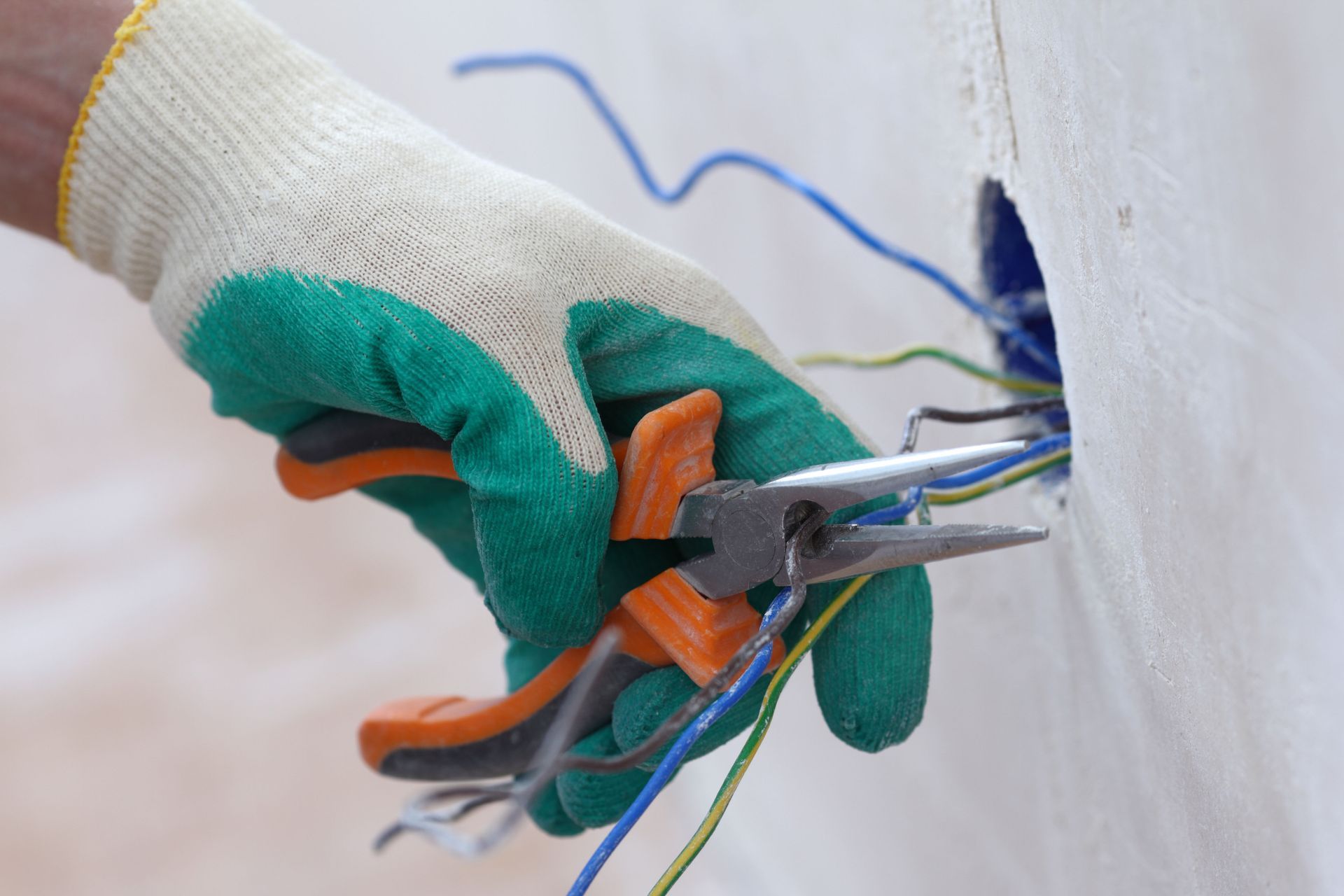
Attempting to troubleshoot complex residential electrical systems without professional diagnostic instruments and specialized training carries serious dangers. Well-intentioned efforts to replace breakers, install complex wiring runs, or reconfigure panels can easily result in improper wire gauges, reversed polarity, or ungrounded boxes. Licensed technicians possess the diagnostic tools, knowledge, and experience required to detect hidden defects safely and carry out effective corrections according to industry standards.
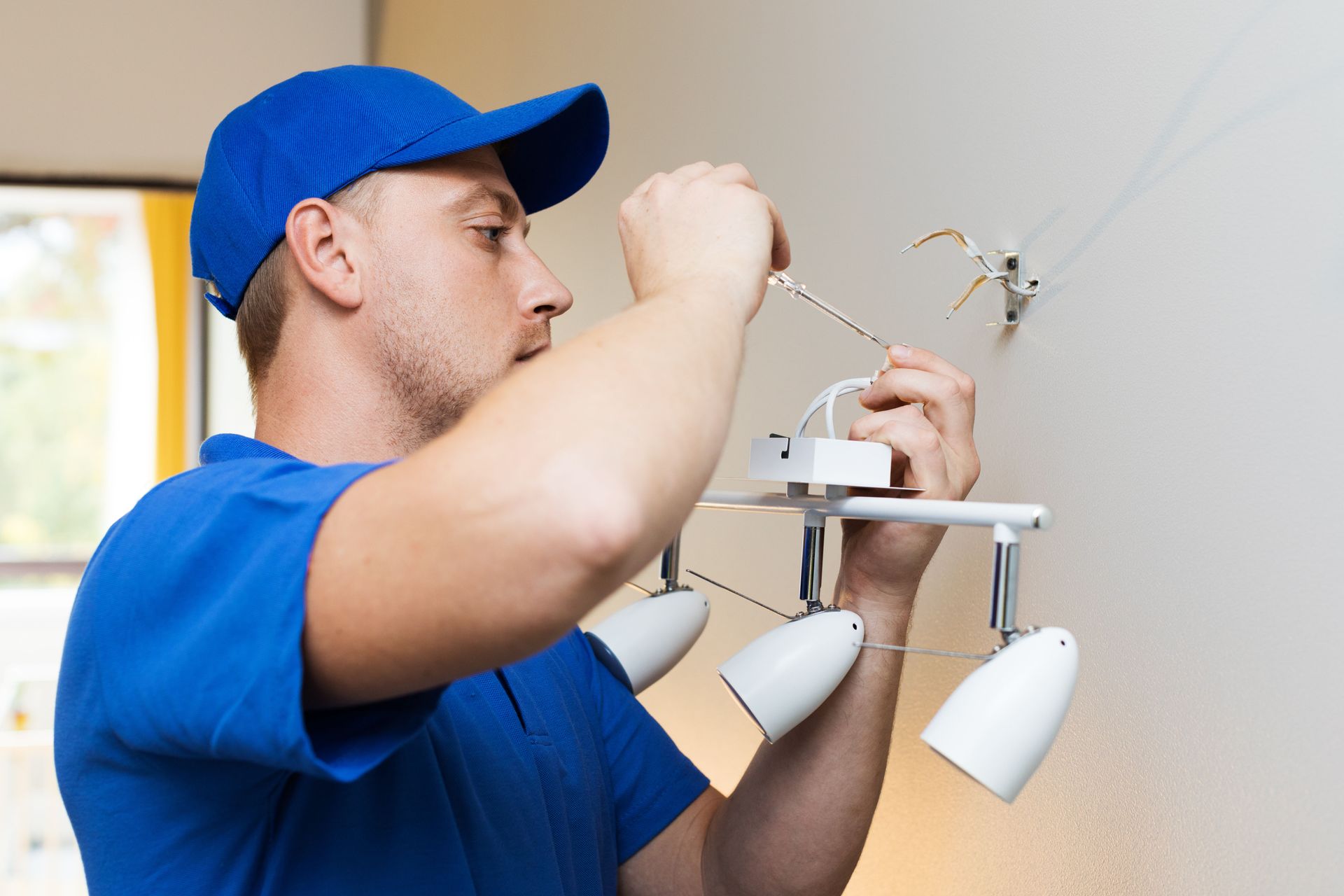
Hiring experienced technicians guarantees that every correction satisfies local building codes and rigorous safety standards. Qualified specialists implement protective protocols, test branch circuits under realistic operational loads, and isolate underlying problems without disturbing surrounding construction. Scheduling professional electrical repair provides lasting peace of mind, knowing that critical power systems remain secure, compliant, and durable. Relying on trained tradespeople ensures high-quality workmanship and long-term reliability for the entire property.
Delaying maintenance on essential electrical wiring, panels, and fixtures introduces substantial hazards to residential properties. Overloaded distribution panels, deteriorating conductors, and worn wall switches compromise daily convenience while elevating the danger of catastrophic fires and personal injuries. Responsible property management involves recognizing early warning indicators and taking prompt corrective action. Investing in timely electrical repair restores operational integrity, protects valuable household appliances, and maintains dependable power throughout the residence.
Safeguarding a home requires proactive vigilance, routine inspections, and the expertise of qualified trade professionals. Our team possesses the experience and dedication necessary to keep your residential electrical systems running safely, efficiently, and reliably. We encourage you to contact us at Grasser Electric & Home Services today, so we can evaluate your electrical system and protect your property.