July 31, 2026
Incorporating energy efficiency into daily business operations is more crucial than ever for modern commercial enterprises. Optimizing energy usage helps lower operational expenses while contributing to a cleaner, more sustainable environment. Commercial facilities often feature complex power demands that require professional oversight to ensure every piece of equipment operates as efficiently as possible. Tapping into specialized expertise allows companies to identify hidden energy waste, navigate complicated structural standards, and streamline daily power consumption.
Partnering with a skilled commercial electrician enables a company to establish a comprehensive energy strategy tailored to its specific property layout. From initial facility evaluations to full-scale electrical upgrades, professional support ensures every system functions safely and reliably. Understanding how to utilize these specialized skills is the key to achieving long-term reductions in power consumption. By taking a proactive approach to facility efficiency, business owners can protect their vital infrastructure while maintaining a comfortable, productive workspace.
Conducting Comprehensive Energy Audits
An energy audit serves as a detailed assessment of how electricity moves throughout a commercial facility. This comprehensive review examines power distribution across lighting, heating, cooling, and operational machinery to pinpoint exact areas of energy waste. Through careful analysis of usage patterns and physical equipment, a facility manager can gain clear insights into unnecessary power loss. Conducting this thorough assessment is a crucial first step in building an effective efficiency strategy that targets problem areas without disrupting everyday operations.
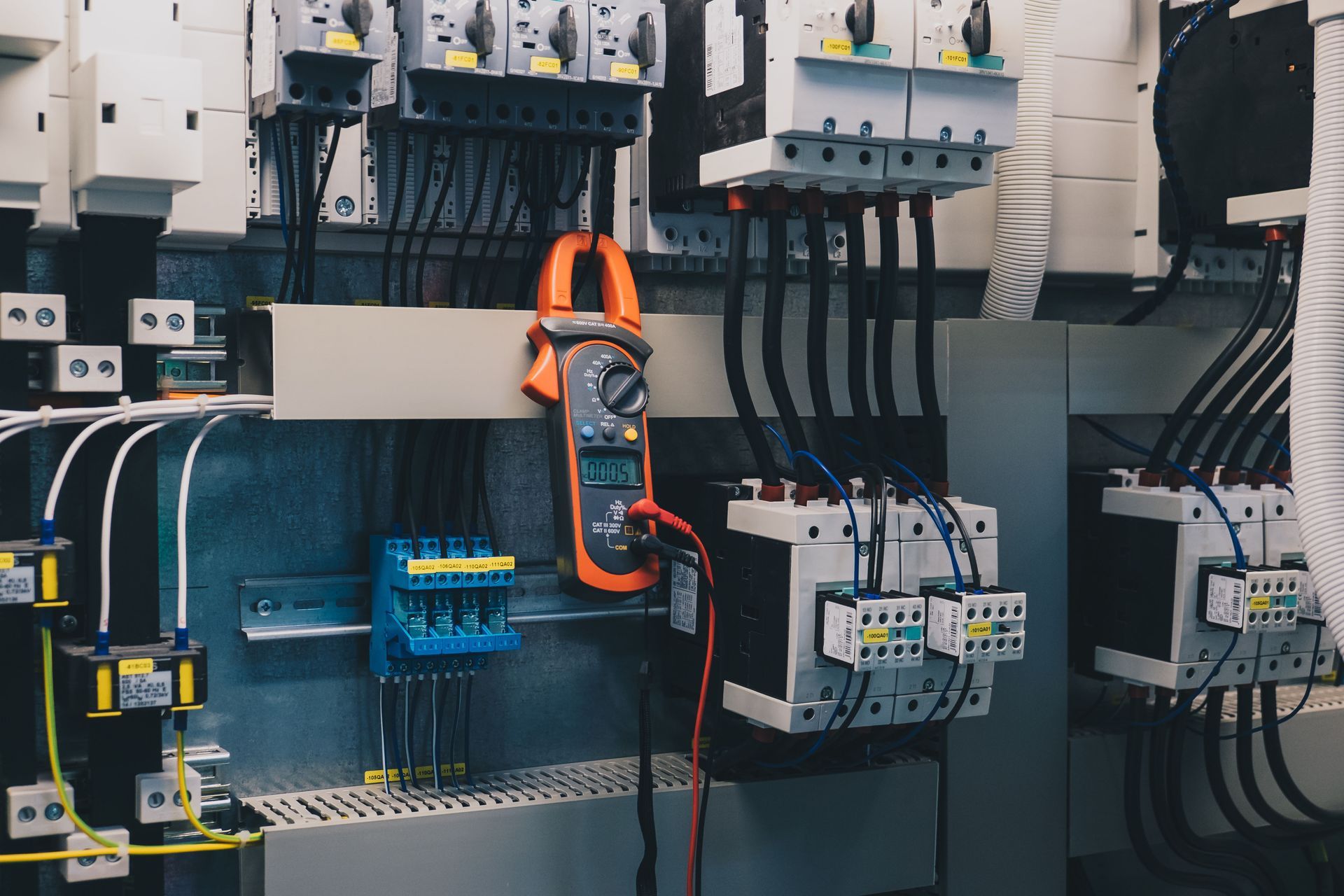
A certified commercial electrician utilizes advanced diagnostic tools to execute these detailed evaluations safely and accurately. These skilled specialists evaluate existing panels, wiring connections, and heavy machinery performance to locate unseen electrical drains. After completing the evaluation, the professional compiles actionable recommendations aimed at resolving inefficiencies and establishing realistic conservation goals. Working with an expert ensures that all proposed improvements comply with strict industry standards while supporting long-term operational success.
Upgrading Commercial Lighting Systems
Lighting represents a substantial portion of any commercial facility's daily electricity usage. Outdated lighting fixtures and inefficient bulbs produce excess heat and consume significant amounts of power, driving up monthly utility bills. Replacing legacy illumination with high-efficiency light-emitting diode fixtures drastically reduces power draw while delivering clearer, more consistent illumination. Upgraded lighting systems also feature significantly longer operational lifespans, which minimizes ongoing maintenance demands and lowers routine replacement costs across large facilities.
Beyond replacing standard bulbs, businesses can combine modern light fixtures with strategic daylighting techniques. Architectural adjustments that maximize natural sunlight through windows and skylights allow facilities to reduce their reliance on artificial overhead lights during peak daytime hours. Performing a thorough review of potential lighting retrofits helps business owners choose solutions that align with their operational needs. Engaging a qualified electrical contractor guarantees that new lighting installations are properly wired, balanced, and configured for maximum energy performance.
Optimizing Facility Climate Control
Heating, ventilation, and air conditioning systems represent some of the largest power consumers in any commercial building. These massive climate control units are vital for keeping employees and customers comfortable, but malfunctioning or poorly maintained components can waste substantial amounts of electricity. Regular system maintenance is essential for identifying worn parts, clearing internal blockages, and ensuring motors operate smoothly. Proactive care extends the overall lifespan of climate equipment while preventing sudden operational failures and excessive power consumption.
Implementing programmable thermostats provides another powerful method for reducing unnecessary heating and cooling costs. These control devices allow facility managers to adjust temperatures automatically based on operating hours, preventing climate systems from conditioning empty spaces overnight or during weekends. Establishing zoned heating and cooling strategies further refines energy use by targeting specific areas of the building based on occupancy. Consulting a commercial electrician ensures that control wiring and multi-zone climate equipment are installed correctly to maintain optimal workspace comfort.
Modernizing Outdated Electrical Infrastructure
Operating a commercial facility with outdated electrical infrastructure can lead to major energy losses and serious safety hazards. Antiquated wiring, worn breaker panels, and unbalanced power distribution force systems to work harder, generating excess heat and wasting electricity. Circuit optimization addresses these problems by rebalancing electrical loads across available breakers and eliminating dangerous system overloads. Modernizing aging electrical distribution components ensures that power flows smoothly throughout the entire facility, improving overall equipment performance and reliability.
Upgrading to high-efficiency transformers is another critical step in reducing power loss during mandatory voltage conversions. According to Fortis, a commercial electrician undergoes extensive training to comply with specialized building codes and operational standards designed for business environments, particularly for equipment operating between 240 and 480 volts. Bringing in an experienced commercial electrician ensures that high-voltage panels, heavy-duty wiring, and distribution transformers meet all safety guidelines. Professional modernization protects valuable building equipment while eliminating the costly energy waste associated with aging infrastructure.
Implementing Advanced Energy Management
An Energy Management System provides a centralized framework for tracking, analyzing, and controlling a building's overall power consumption. This comprehensive setup gathers operational data from electrical panels, machinery, and climate controls to give management a complete view of facility energy usage. Having access to detailed performance metrics enables business owners to identify unexpected power spikes, isolate failing machinery, and make data-driven operational decisions. Implementing a centralized management framework transforms passive power monitoring into an active tool for waste reduction.
Continuous tracking of facility power consumption allows managers to catch equipment anomalies before they result in complete system failures or inflated utility bills. Analyzing ongoing usage trends helps refine daily operational schedules, allowing businesses to shift heavy power loads away from peak consumption periods. A licensed electrical specialist can install dedicated monitoring equipment and help fine-tune tracking software to match the property's unique layout. Taking advantage of detailed data analysis ensures long-term operational efficiency and supports continuous workplace sustainability goals.
Fostering Employee Sustainability Habits
Building an energy-efficient business requires active participation from every member of the workforce. Educating employees on basic conservation habits—such as turning off unused equipment, shutting down workspace lighting, and managing room temperatures—creates a shared responsibility for sustainability. Holding regular workplace workshops and establishing clear operational protocols ensures that staff members understand how their daily actions impact overall facility efficiency. Clear guidelines make energy conservation a simple, seamless part of normal business routines.
Creating an organizational culture focused on sustainability helps maintain these positive habits over the long term. Business leaders can encourage active participation by recognizing teams that consistently meet energy-saving milestones or propose innovative efficiency ideas. Rewarding proactive conservation efforts reinforces the importance of workplace sustainability and keeps employees engaged in daily energy reduction. Working alongside a commercial electrician ensures that all physical energy-saving adjustments remain fully supported by reliable, well-maintained electrical infrastructure.
Partnering with a professional commercial electrician provides businesses with the technical expertise needed to optimize energy usage, modernize infrastructure, and lower operational expenses. From executing detailed facility audits and upgrading lighting systems to optimizing climate controls and installing efficient transformers, professional guidance ensures every project yields measurable results. Establishing strong energy management practices while encouraging sustainable employee habits creates a powerful foundation for long-term operational success and environmental stewardship.
Investing in electrical efficiency is a proactive step that protects your facility's vital infrastructure while improving overall workplace comfort. By taking control of your facility's power consumption today, you can ensure a safer, cleaner, and more sustainable future for your business. Contact our team to schedule your commercial facility evaluation today, and let us help you build a safer, more energy-efficient workspace with Grasser Electric & Home Services.